
Online Yoga Classes vs Offline: Which One Actually Works for Busy Professionals?
In today’s fast-paced world, working professionals are constantly juggling deadlines, meetings, family responsibilities, and personal aspirations. Somewhere in between, health often takes a backseat—until stress, fatigue, or burnout forces attention. That’s when many turn to yoga. But a common question arises:
Should you choose online yoga classes or attend offline (in-person) sessions?

Let’s explore this deeply—not just from a convenience standpoint, but from what actually works for busy professionals like you.
The Reality of a Busy Professional’s Life
Before comparing formats, let’s acknowledge one truth: Most professionals don’t lack intention—they lack consistency. You may start with enthusiasm, join a class, buy a mat, and commit to transformation. But within weeks, work pressure, travel, or fatigue disrupts your routine.
So the real question is not:
👉 Which format is better?
But:
👉 Which format helps you stay consistent?
Understanding Online Yoga Classes
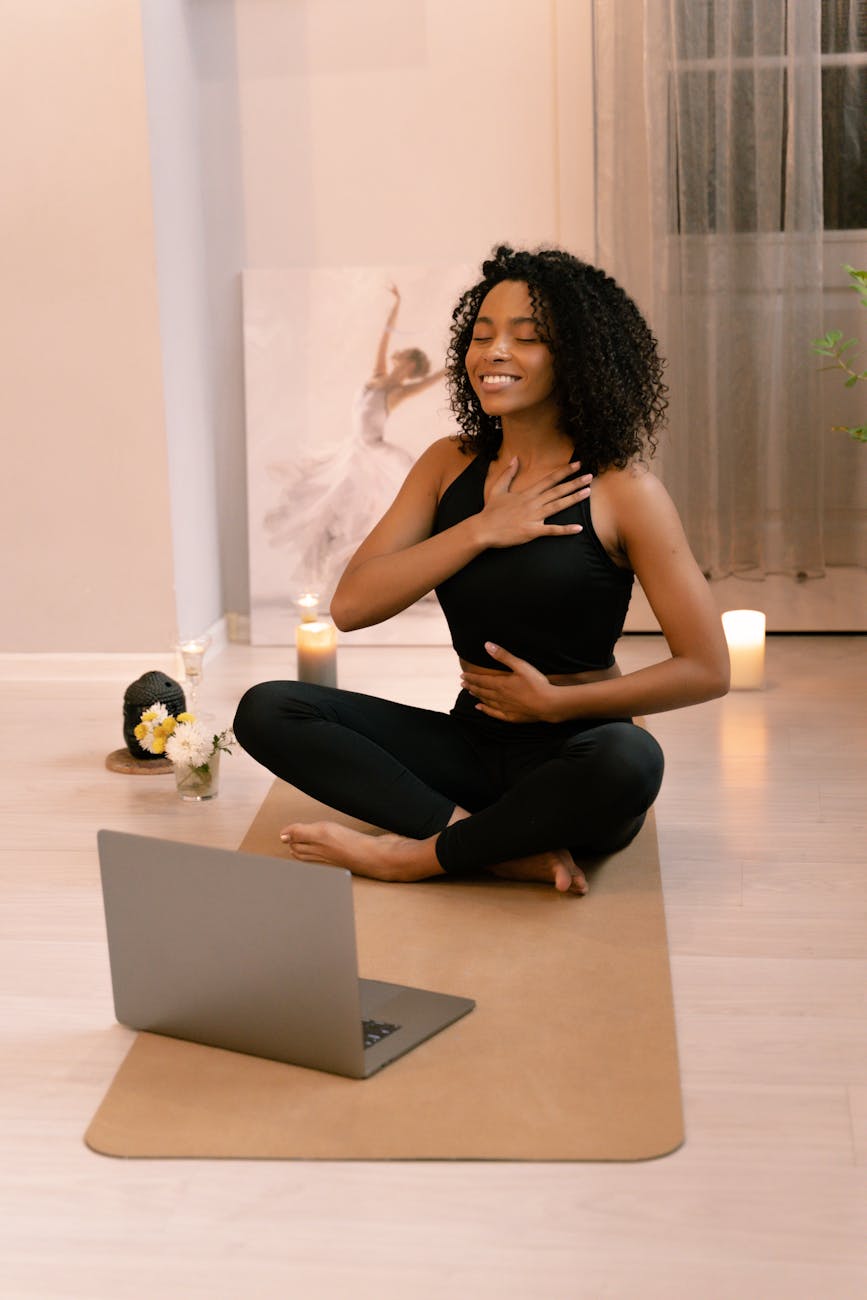
Online yoga classes have grown rapidly, especially after the pandemic—and for good reason.

Advantages of Online Yoga
1. Flexibility that fits your schedule
You can practice early morning, late evening, or even during a lunch break. No travel, no dependency on location.
2. Zero commute, zero friction
After a long workday, the biggest barrier is often just getting to class. Online removes that resistance completely.
3. Comfort of your personal space
Practicing at home reduces self-consciousness. You can focus inward without comparison.
4. Accessibility from anywhere
Whether you’re traveling for work or working remotely, your practice continues uninterrupted.
Challenges of Online Yoga
1. Discipline is self-driven
No one is physically present to ensure you show up. Skipping becomes easy.
2. Limited physical correction
Teachers can guide verbally, but adjustments are less precise compared to in-person sessions.
3. Distractions at home
Phone notifications, family interruptions, or mental clutter can affect focus.
Offline classes represent the traditional way of learning yoga—structured, immersive, and guided.
Advantages of Offline Yoga

1. Strong accountability
When you physically go somewhere, you are more likely to stay committed.
2. Real-time correction and guidance
Instructors can adjust your posture, breathing, and alignment immediately.
3. Dedicated environment
A yoga studio creates a distraction-free zone that enhances focus and mindfulness.
4. Community energy
Practicing with others creates motivation and shared intention.
Challenges of Offline Yoga
1. Time constraints
Fixed schedules may not align with unpredictable work demands.
2. Commute fatigue
Traffic, distance, and time investment often become barriers.
3. Inflexibility
Missing a class can disrupt your rhythm and momentum.
The Core Difference: Structure vs Freedom
At a deeper level:
- Offline yoga = Structure
- Online yoga = Freedom
Busy professionals often start with structure but sustain with freedom.
Why?
Because your lifestyle is dynamic—not fixed.
What Actually Works for Busy Professionals?
Here’s the honest answer:
The best format is the one that removes friction and increases consistency.
Let’s break it down practically.
If You Are a Beginner…
Start with offline classes (if possible) or live guided online sessions.
Why?
- You need foundational correction
- You need guidance on posture, breath, and awareness
If You Have an Unpredictable Schedule…
Online yoga is your best ally.

Why?
- You can adapt your practice daily
- You avoid the “all or nothing” trap
If You Struggle with Discipline…
Choose a structured online program with accountability.
This is the sweet spot:
- Flexibility of online
- Discipline of offline
If You Seek Depth (Not Just Exercise)…
The format matters less than the method and teacher.
Because yoga is not just about stretching—it’s about:
- Awareness
- Breath
- Mental clarity
- Inner stillness
A good system can be delivered both online and offline.
A Smarter Approach: Hybrid Model
The most effective solution for modern professionals is not choosing one over the other.
It’s combining both.
Hybrid Yoga Lifestyle
- Weekdays: Short online sessions (20–40 minutes)
- Weekends: Deep practice or live sessions
- Daily: 5–10 minutes of meditation or breathwork
This creates:
- Consistency without pressure
- Depth without burnout
The Real Transformation: Beyond Format

Let’s go one level deeper.
Yoga is not about:
- Online vs offline
- Studio vs home
It’s about:
How you show up to your practice.
A distracted hour in a studio is less powerful than
a mindful 20 minutes at home.
For busy professionals, the goal is not perfection—it’s integration.
Can you:
- Breathe consciously between meetings?
- Reset your mind in 5 minutes?
- Stay calm under pressure?
That’s real yoga.
Final Verdict: What Should You Choose?
If you’re a busy professional, here’s a simple decision guide:
- Choose online yoga if you value flexibility, consistency, and convenience
- On the other hand, choose offline yoga if you need discipline, correction, and immersion
- Else, choose hybrid if you want the best of both worlds
Closing Thought
Your life doesn’t need more complexity. It needs clarity. Therefore, yoga is not another task on your to-do list. It’s the foundation that makes everything else easier—your work, your decisions, your relationships.

So don’t ask:
👉 Which format is better?
Ask:
👉 Which format will I actually follow consistently for the next 90 days?
Because in the end…
Consistency creates clarity.
And clarity creates a powerful life.
Register here for a 90-minute webinar to know more about how to organize your commitment towards yourself for just 15-20 minutes a day in the morning and in the evening to go beyond your expectations.
Leave a Reply