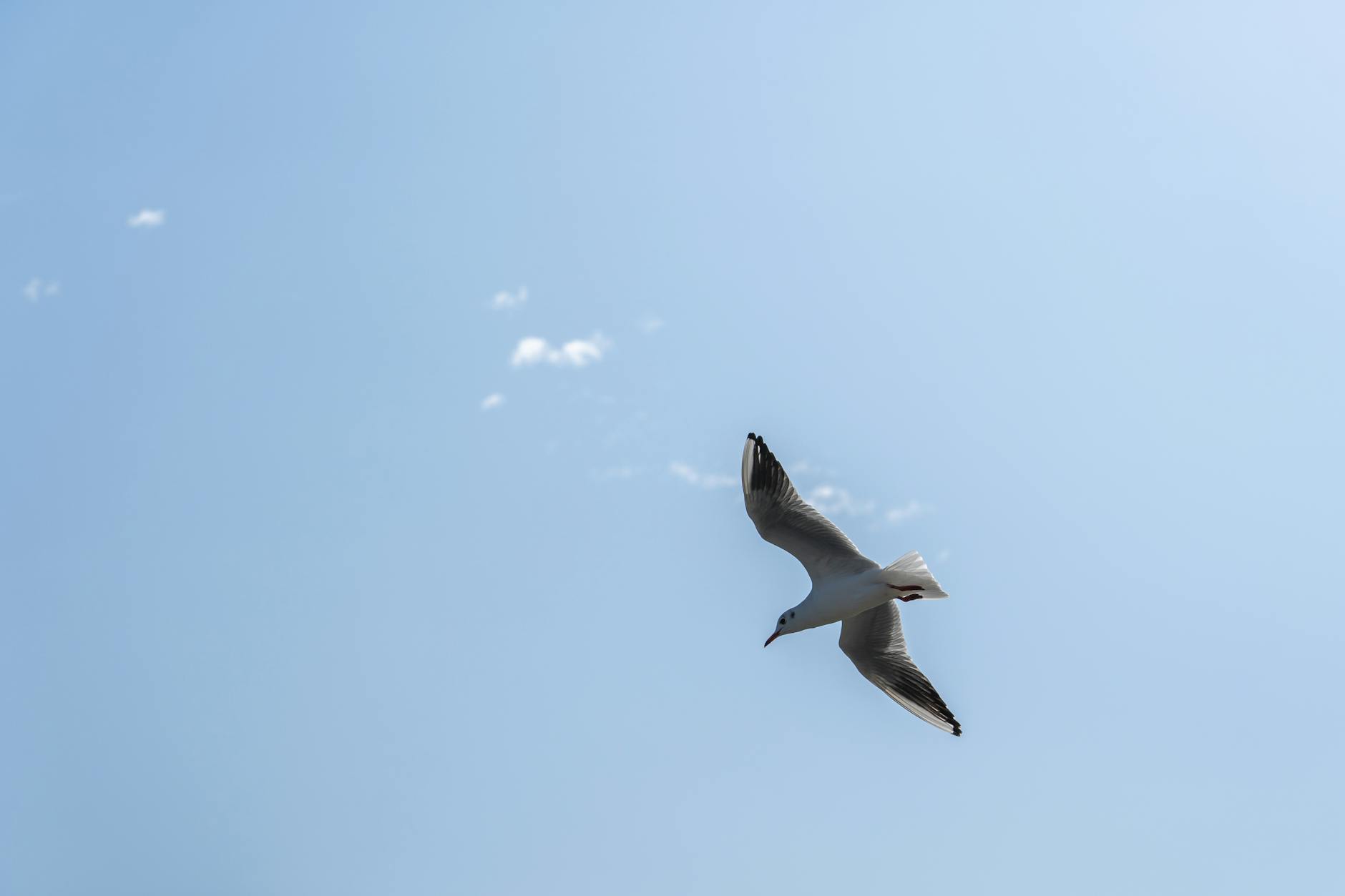
Love and Freedom are the two wings
When love and freedom are alike, they are like the two wings of a bird that flies smoothly and effortlessly in the sky. Since the mind races endlessly—replaying past mistakes, catastrophizing future outcomes, or spiraling into what-ifs—creating a profound restlessness that disrupts sleep, focus, and joy. When this happens, it is precisely the opposite of the smooth flight. Moreover, when it comes to busy professionals, mental overthinking, anxiety, and fear have become silent epidemics.
This isn’t mere stress; it’s the brain’s logical center hijacking our peace, trapping us in a cycle of fear-driven thoughts. Countless people find themselves in this inner turmoil. Nevertheless,there’s a path to transformation:
Drawing from Osho’s wisdom—”Love gives you the roots into the earth, and freedom gives you the wings”—we can reframe love as rooted stability from the heart center and freedom as expansive breath. This duo dissolves anxiety, fear, overthinking, and restlessness, leading to lasting peace and joy.
The Root Cause: Brain Logic Fuels Mental Overthinking and Fear
At the core of our struggles lies the brain’s prefrontal cortex, the seat of logic, analysis, and survival instincts. Eventhough, evolution wired it for protection, but in modern life, it overfires. In fact, a single worry—like a looming deadline or relationship tension—triggers the amygdala, flooding us with cortisol. The moment that happens, it triggers anxiety as a constant hum, fear as sharp jolts, and overthinking as looping rumination, not to mention restlessness as an inability to settle.
The heart, our emotional core, gets sidelined. Logic dictates, “Analyze harder to control outcomes.” Yet this only amplifies the chaos. Heart-centered love—unconditional, present, nurturing—feels risky to the fearful mind. We’re stuck in headspace, disconnected from the body’s wisdom.
Step 1: Grounding Through Asanas—Love as Rooted Stability
Yoga begins with the body, our hardware, to interrupt the brain’s tyranny. Asanas (postures) cultivate rooted stability, embodying love as an earthy, heart-centered force.
Start with Tadasana (Mountain Pose): feet planted firmly, spine tall, shoulders relaxed. Feel the ground supporting you—literal roots mirroring love’s unwavering presence. This counters restlessness by anchoring scattered energy.

Vrksasana (Tree Pose): It is balancing on one leg while the other presses against your thigh. Here, love manifests as self-compassion amid wobbles. When the brain screams, “Fall! You’re unstable!”. But the heart whispers, “Breathe; you’re held.” Studies show such poses activate the parasympathetic nervous system, slashing cortisol by up to 20% in minutes. Overthinking fades as focus shifts from thoughts to sensation.

Incorporate Setu Bandhasana (Bridge Pose) to open the heart center (Anahata Chakra). Lie back, lift hips, clasp hands under you—chest blooms open. This pose floods the heart with prana (life force), replacing fear’s contraction with love’s expansion.

Unlike brain logic’s cold calculations, heart love is overflowing of warm, connective, forgiving wave. In fact, regular practice rewires neural pathways, reducing amygdala hyperactivity. Especially the working professionals of Marketing and as well as Techies who are constantly battling deadlines—these asanas provide instant grounding, transforming anxiety into poised strength. Love isn’t abstract; it’s this somatic stability, that is rooting you against life’s storms.
Step 2: Breath as Freedom – Releasing Fear’s Grip
With roots established, introduce freedom as breath—the wings that lift you beyond fear. Pranayama (breath control) is yoga’s bridge from hardware to software. The brain’s overthinking thrives in shallow chest breathing, fueling anxiety and restlessness. The moment deep diaphragmatic breath happens, there is an emergence of safety signals, engaging the vagus nerve to calm the fight-or-flight response.
Ujjayi Pranayama (Ocean Breath): Inhale deeply through the nose, throat slightly constricted for a soft hiss; exhale the same. Pair it with asanas—five breaths in Tree Pose. Breath becomes freedom: expansive, unbound, dissolving fear’s chains where freedom grants wings, preventing love from becoming possessive stagnation.

For acute fear, use Nadi Shodhana (Alternate Nostril Breathing): Close right nostril, inhale left; close left, exhale right; reverse. This balances brain hemispheres, quieting logical overdrive. Science backs it: Research from Harvard shows such techniques lower heart rate variability linked to anxiety by 15-25%.

Breath isn’t just air; it’s liberation from the mind’s prison, allowing heart-love to flow freely. In sessions, I guide professionals: “Let each exhale release one overthought.” Restlessness evaporates, replaced by buoyant clarity.
Integrating Hardware and Software: Meditation for Peace
Asanas and breath prepare the vessel; now, meditation—the software—uploads the upgrade. Without it, hardware alone scratches the surface. Sit in Sukhasana (Easy Pose) post-asanas, hands on heart. Focus on the heart center: Visualize roots descending into earth (love’s stability) and wings unfurling (breath’s freedom). This counters overthinking by shifting from beta brain waves (chatter) to alpha/theta (calm insight).

Guided practice: Inhale love’s roots—”I am grounded, supported.” Exhale freedom’s wings—”I release fear, I soar.” Osho’s metaphor shines here: Meditation merges roots and wings into flight.
For restlessness, add Trataka (Candle Gazing):

Stare at a flame 2 minutes, then close eyes, hold image. This laser-focus dissolves mental scatter. Advanced: Anahata Meditation. Lie in Savasana (Corpse Pose), hand on heart. Chant “Yam” (heart seed mantra) silently. Feel love as a green light radiating, dissolving anxiety’s shadows. Brain scans reveal meditation thickens the prefrontal cortex for better emotion regulation while shrinking fear centers. Joy emerges—not forced positivity, but effortless presence. Many students report, “Overthinking stopped; I feel alive.”
The Path to Joy: A Daily Practice Blueprint
Combine into a 20-minute routine:
- Asanas (10 mins): Tadasana (2 mins), Tree (3 mins/side), Bridge (3 mins)—root love’s stability.
- Pranayama (5 mins): Ujjayi + Nadi Shodhana—unfurl breath’s freedom.
- Meditation (5 mins): Heart-centered visualization—integrate roots and wings.
Monday to Friday, 6:00 am to 7:00 am, classes happen, targeting the key factors:
- Anxiety: Bridge + Ujjayi calms cortisol spikes.
- Fear: Tree + Nadi Shodhana builds resilience.
- Restlessness: Savasana meditation anchors a wandering mind.
- Overthinking: Trataka + heart focus quiets logic’s loop.
Track progress in a journal: Note pre/post anxiety levels (1-10 scale). Within weeks, expect a 50% reduction in symptoms. This isn’t escapism; it’s empowerment. As Osho teaches, true love without freedom suffocates; together, they give birth to ecstasy.
Living the Transformation
One student, a developer plagued by overthinking, now creates content fearlessly, mirroring my own digital shift. Heart-love replaces brain-fear; stability births creativity. Peace isn’t the absence of problems but presence amid them and Joy flows when anxiety yields.
Embrace this: Your mind’s logic caused the storm; Your route to heart heals it. Start today—root in love, breathe into freedom. Peace awaits.


Leave a Reply